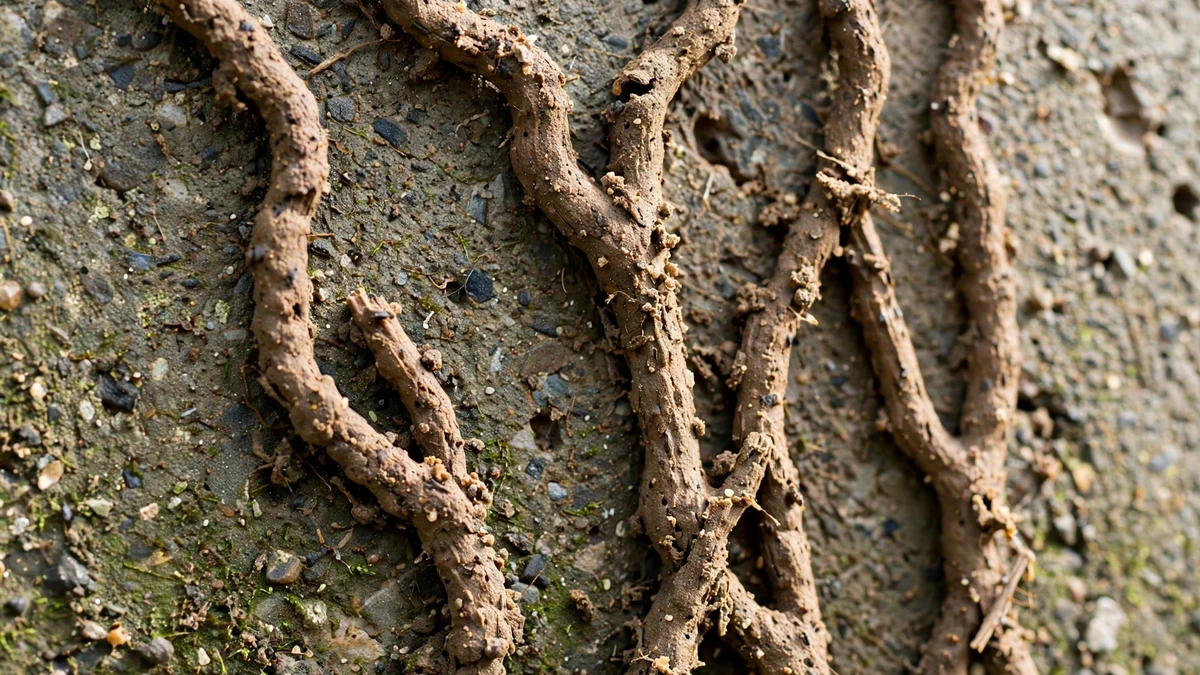
Termites are a defining pest problem in Georgia. The state sits squarely in what entomologists call the termite belt: mild winters, long humid summers, and abundant wood and cellulose keep colonies active nearly year-round. Around Dalton, most yards host termite colonies of some kind — the question is rarely whether termites are nearby, but whether they have found their way into your home.
In short: the earliest, most reliable signs of termites are mud tubes on the foundation, discarded wings near windows and doors, and wood that sounds hollow when tapped. Any one of them is reason enough to schedule a professional inspection. Catching termites early is the difference between a treatment visit and a repair bill.
Why Are Georgia Homes at Such High Termite Risk?
Because subterranean termites are the dominant species in Northwest Georgia, our inspections focus first on the places they travel: foundation walls, crawl spaces, and anywhere wood touches or nearly touches soil. Georgia's climate gives them nearly everything they need — warmth, moisture, and food — for most of the year.
Three facts explain the risk. First, colonies stay active through much of the year here; unlike in colder states, there is no deep winter shutdown that stops foraging. Second, the Eastern subterranean termite — our most common species — lives in huge underground colonies that can forage over wide areas, so a colony in your yard can reach your house without you ever seeing a single insect. Third, Georgia's red clay soils show up in the mud tubes termites build, which actually helps identification: tubes here often carry a reddish tint you will not see in sandier regions.
Two other species appear in Georgia as well. Formosan termites — larger, more aggressive, and capable of building above-ground carton nests — have established pockets in the state and cause outsized damage where they occur. Drywood termites, which need no soil contact at all, are less common in North Georgia but turn up occasionally. A good inspection accounts for all three, because the signs differ by species.
What Are the 7 Signs of Termites?
These are the seven signs we check on every inspection, roughly in the order of how often we find them in Dalton-area homes.
1. Mud tubes
A mud tube is a pencil-width tunnel of soil and saliva that subterranean termites build to travel between the ground and wood while staying moist and hidden. Look along foundation walls, crawl-space piers, and inside the crawl space itself. In Georgia they often carry a reddish cast from the local clay. Fresh tubes feel damp and crumble easily; old abandoned ones are dry and brittle. Tubes are the single most common sign we find — and the one most homeowners walk past without noticing.
2. Swarmers and discarded wings
Winged reproductive termites (alates) leave mature colonies to start new ones, usually on warm spring days after rain. After a short flight they shed their wings, so you may find only the wings — small, glassy, all four the same length — piled on windowsills, in spider webs, or near light fixtures. Wings without bodies still count as a sign. If you are unsure whether the winged insects you found are termites or flying ants, our termites vs. flying ants guide walks through the 3-feature identification test. If you find live swarmers indoors, the colony they came from is likely in or under your home; see our guide to termite swarm season in Georgia for timing.
3. Hollow-sounding wood
Termites eat wood from the inside out, leaving a thin outer shell. Tap suspect baseboards, door frames, and windowsills with a screwdriver handle: solid wood thuds, damaged wood sounds papery or hollow. Probe gently — if the tool sinks in with little resistance, the interior is gone. Because the surface often looks untouched, this test catches damage that eyes alone miss.
4. Blistered or bubbling paint
Paint that blisters, bubbles, or looks rippled on walls or trim can signal termite tunneling just beneath the surface, where feeding disrupts the wood and traps moisture. This is the sign most often mistaken for a moisture problem — and sometimes it is one — which is why we check blistered paint together with the other signs rather than in isolation.
5. Sagging floors or ceilings
Floors that feel springy or sag underfoot, or ceilings that bow slightly, can indicate advanced subfloor or joist damage. By the time structural members sag, feeding has usually been going on for a long time. This sign calls for prompt professional evaluation, because the repair scope depends on how far the damage extends.
6. Frass — drywood termite pellets
Frass is the six-sided, pellet-shaped droppings of drywood termites, often found in small piles beneath tiny "kick-out" holes in wood. It looks a bit like coarse sawdust or coffee grounds, sometimes with a ridged shape visible under magnification. Drywood termites are uncommon in North Georgia, but we check for frass because when they do appear, there are no mud tubes to give them away.
7. Doors and windows that stick
Termite feeding and the moisture it introduces can warp wooden door and window frames, making them suddenly hard to open or close. Sticking alone proves nothing — humidity does the same thing — but a door that sticks in a home with no humidity problem, especially alongside other signs, is worth a closer look.
Which Signs Point to Which Termite Species?
Because each Georgia termite species leaves different evidence, matching signs to species tells us which treatment approach fits. This table is the quick reference our technicians use:
| Species | Key signs | Swarm timing in Georgia |
|---|---|---|
| Eastern subterranean | Mud tubes on foundation/piers; swarmers and discarded wings | January–early June, daylight |
| Formosan | Larger, thicker mud/carton structures; aggressive foraging; sometimes above-ground nests | Mid-May–early June, around dusk |
| Drywood | Frass piles under kick-out holes; no mud tubes; kick-out holes in wood | Late spring–mid-summer, at night |
The overlap matters: subterranean and Formosan termites both build tubes and both swarm in spring, so telling them apart takes a close look at tube size, swarmer size and color, and timing. The University of Georgia Cooperative Extension publishes species identification guidance for Georgia homeowners at extension.uga.edu — worth a look if you are comparing what you found against reference photos.
Spotted something on this list? Dalton termite treatment starts with a professional inspection — we will tell you plainly what we find and what it takes to fix it.
How Do You Tell Termite Signs From Lookalikes?
Because termite signs overlap with ordinary house problems, misidentification is common — and it runs in both directions. Here is how we separate the real signs from the lookalikes.
Blistered paint vs. water damage: both bubble paint, but water damage usually shows staining, a clear moisture source (a leak, a bathroom above), and soft, spongy drywall. Termite blistering often has no stain and no obvious water source, and tapping the area sounds hollow rather than soft.
Termite frass vs. carpenter ant debris: carpenter ants also push debris out of wood, but their frass looks like fine sawdust mixed with insect body parts — never the uniform six-sided pellets of drywood termites. Carpenter ant debris also tends to appear below the nest entrance in larger, messier piles.
Old vs. active mud tubes: this is the question that decides urgency. Break open a small section of a suspect tube and check back in a few days. If termites repair it, the colony is active and feeding. If the break stays open and the tube stays dry and crumbly, it may be abandoned — but have it checked anyway, because abandoned tubes can be reoccupied and because other tubes may be active nearby.
What Should You NOT Do If You Find Termite Signs?
Because Eastern subterranean termites are the most common species around Dalton, the biggest mistake we see is the one that feels most natural: tearing a mud tube open to "see what's inside." Disturbed Eastern subterranean colonies often abandon the exposed tunnel and relocate — sometimes deeper into the structure, where they are harder to treat. Leave tubes intact for the inspector.
Second, do not spray store-bought repellent insecticide on or near termite activity. Repellents scatter foraging termites without killing the colony, and the scattered survivors can make professional treatment significantly harder. Third, do not ignore the signs hoping they resolve on their own — termite colonies do not leave voluntarily, and every season of feeding adds to the repair scope. Finally, if you find discarded wings, save some in a sealed bag or jar instead of vacuuming them all up; they help confirm the identification.
What Should You Do Next?
Because termite identification and treatment planning depend on evidence, your next steps are about documentation, not demolition. Photograph what you found — one wide shot showing the location, one close-up of the sign itself — and note the date and where in the house it was. Then call for a professional inspection rather than disturbing anything further.
If you are buying or selling, ask about a termite inspection — the Official Georgia Wood Infestation Report is the standard document for real-estate transactions here. For an existing home, an inspection maps the full extent of activity, identifies the species, and leads to a treatment plan: most often a liquid soil treatment, a bait system, or a combination, which you can read about on our termite control in Dalton page. Before the visit, our home prep checklist explains how to make sure the technician can reach crawl spaces, attics, and the foundation perimeter.
How Do You Prevent Termites After Treatment?
Because treatment eliminates the current colony but your yard will always host termites, prevention is about removing the three conditions that invite them back — what the industry calls conducive conditions.
Cellulose debris: firewood stacked against the house, old stumps, fallen branches, and thick mulch piled against siding all feed foraging termites within feet of your foundation. Keep firewood off the ground and away from the house, remove stumps near the structure, and keep mulch a few inches below siding.
Wood-to-soil contact: deck posts, porch steps, siding, or framing that touch soil give termites a direct highway indoors. Where you cannot eliminate contact, keep these areas visible and inspectable rather than buried under soil or mulch.
Moisture and ventilation: crawl spaces with poor ventilation, leaking hose bibs, and gutters that dump water at the foundation keep wood damp and attractive. Fix leaks, extend downspouts away from the house, and make sure crawl-space vents are clear. Dry wood in a ventilated crawl space is one of the least inviting targets a termite colony can find.
Ready for a straight answer about your home? Dalton termite treatment — call, message, or request a free estimate and we will take it from there.