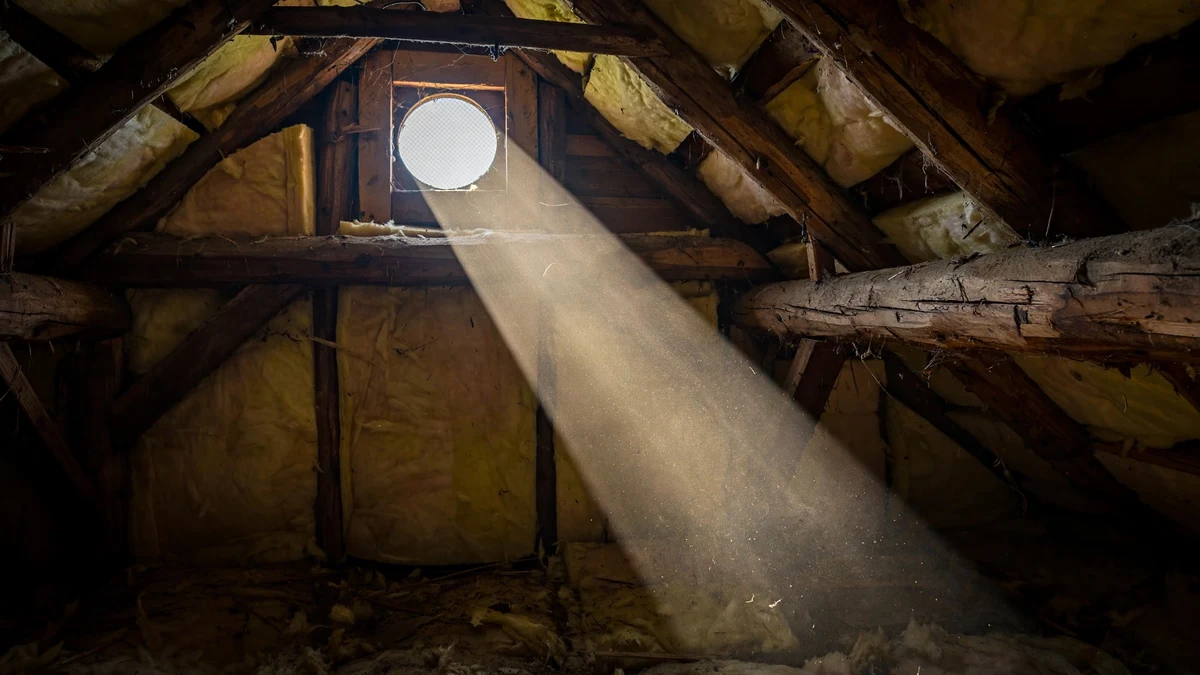
Hearing an animal in your attic triggers a very specific kind of dread: something is living over your head, you cannot see it, and you have no idea what it is doing up there. The good news is that attic intruders are highly identifiable. Different animals make different sounds at different times, leave different evidence, and enter through different openings. Work the clues methodically and the mystery usually solves itself in a night or two of listening.
In short: daytime scratching and scampering usually means squirrels; heavy thumping at night points to raccoons; chirping, flapping, or squeaking at dusk and dawn suggests bats; light scratching and gnawing at night with droppings everywhere means rats or mice. Do not seal anything yet — especially in spring and summer, when young may be present — and keep people and pets away from the attic until you know what you are dealing with.
What Animal Is Making That Noise?
Because sound plus timing is the fastest identification method, start a simple log: for two or three nights, note what you hear and when. Then match it against this table — it is the same sound-by-time matrix wildlife professionals use:
| What you hear | When | Likely animal |
|---|---|---|
| Quick scratching, scampering, rolling sounds (like nuts rolling) | Daytime, especially morning | Gray squirrels |
| Light scratching, thumping in walls, scurrying | Night | Flying squirrels (very common in Georgia attics) |
| Heavy thumping, walking, vocalizations (churring, growling) | Night | Raccoons |
| High-pitched chirping, squeaking, fluttering | Dusk and dawn | Bats |
| Light scratching, gnawing, scurrying in walls | Night | Rats or mice |
| Chirping, flapping, nest sounds | Daytime | Birds (often starlings in vents) |
| Slithering, no vocalization | Any time, warm weather | Snake (usually following rodents) |
Two Georgia-specific notes. First, flying squirrels are far more common in Georgia attics than most homeowners realize — they are nocturnal, so their nighttime scratching gets misattributed to rats constantly. Second, the "rolling nuts" sound is almost diagnostic for gray squirrels: they are active, clumsy, and loud in daylight in a way nothing else quite matches.
What Other Signs Confirm Animals in the Attic?
Because sounds can mislead — insulation muffles and distorts — confirm with physical evidence before deciding. If you inspect the attic, go prepared: gloves, a dust mask or respirator, a bright headlamp, and a strict rule against cornering any animal you encounter. Better yet, inspect from the attic hatch with a flashlight first and only enter if it is clearly empty and you can see your footing.
Droppings are the best confirmer. Raccoon droppings are large, tubular, often in communal "latrine" piles, and may contain berry seeds. Squirrel droppings are smaller, pellet-shaped, scattered along runways. Bat guano is small, crumbly, and piles up beneath roosting spots — and it should not be disturbed casually, because dry guano can harbor the fungus that causes histoplasmosis. Rat droppings are capsule-shaped and concentrated along walls and runways.
Gnaw marks on wood, wiring, or stored items point to rodents or squirrels — and gnawed wiring insulation is a genuine fire risk, not a cosmetic issue. Nesting material — shredded insulation, leaves, paper wadded into corners — signals squirrels, rats, or raccoons preparing or maintaining a den. Entry damage at the roofline tells its own story: raccoons tear and enlarge openings (bent vents, ripped soffits), squirrels gnaw neat holes, and rats squeeze through gaps you can barely see. Odors — strong musky or ammonia smells — suggest raccoons or a large bat colony.
Is It a Raccoon, Squirrel, Bat, or Rat?
Because these four cause most attic calls in the Dalton area, here is the head-to-head comparison:
| Clue | Raccoon | Squirrel | Bat | Rat |
|---|---|---|---|---|
| Noise level | Heavy — sounds like a person walking | Moderate — scampering, rolling | Light — chirps and fluttering | Light — scratching and gnawing |
| Timing | Night | Day (gray) / night (flying) | Dusk and dawn | Night |
| Droppings | Large, latrine piles | Small pellets, scattered | Tiny, crumbly, piled under roosts | Capsule-shaped, along runways |
| Entry damage | Torn, enlarged openings | Gnawed holes | Tiny gaps (1/2 inch is enough) | Squeezed-through gaps |
| Biggest risk | Aggressive when cornered; latrine parasites | Chewed wiring (fire risk) | Guano (histoplasmosis); rabies vector — never handle | Gnawing; contamination; rapid breeding |
If the evidence points to rats or mice rather than wildlife, our rodent entry points guide covers how they get in and how to seal them out — and rodent control handles the removal side.
Spotted something on this list? wildlife removal in Dalton in Dalton, GA starts with a professional inspection — we will tell you plainly what we find and what it takes to fix it.
What Should You Do Right Now?
Because the first hour after discovery is when most mistakes happen, here is the safe sequence. Do not panic — the animal was there last week too; one more day of calm changes nothing. Keep people and pets away from the attic and from directly beneath active entry points. Do not seal any entry yet — this is the single most important rule, and the next section explains why.
Document the timing. Your sound log from the table above is genuinely useful to a professional — "heavy thumping, 11 p.m. to 2 a.m., northwest corner" narrows the species and the entry before anyone climbs a ladder. Inspect safely or not at all: gloves, mask, headlamp, tell someone you are going up, watch your footing on joists (a foot through the ceiling is a classic attic injury), and back out immediately if you encounter the animal — a cornered raccoon is dangerous, and bats should never be handled because of rabies risk.
Why Can't You Just Seal the Hole?
Because of the baby-season rule: from spring through summer, attic animals are very likely nursing young. Seal the entry with babies inside and you create a far worse problem than the one you had — trapped young die in the attic (odor, flies, stains), or a desperate mother tears a new, larger hole through your roof or siding to get back to them.
This is why professionals inspect before excluding: confirming whether young are present determines the entire approach. With raccoons and squirrels, the standard professional method is a one-way door — the animal exits to forage and cannot re-enter — timed and monitored so no young are left behind. With bats, exclusion must follow seasonal rules too, since flightless pups cannot use one-way devices. The hole gets sealed, but only after the attic is confirmed empty. Patience here saves you from a much bigger repair later.
Can You Handle It Yourself or Should You Call a Pro?
Because the answer genuinely depends on the animal, here is the honest decision framework:
Reasonable DIY: a single mouse issue with an obvious entry you can seal (see our rodent entry-point guide), or deterring an animal that is merely passing through — trimming the branch it uses as a bridge, securing trash, removing the bird feeder. Small, clear, low-risk situations.
Call a professional: raccoons (strong, aggressive when cornered, and Georgia regulates trapping and relocation through the Department of Natural Resources — the rules are real and worth following), bats (protected in many contexts, a rabies vector, and guano is a health hazard — this is not a DIY animal, period), snakes (do not approach; even non-venomous snakes bite when cornered, and Georgia has venomous species), any situation where young may be present, and any entry on a roofline you cannot safely reach.
The Georgia trapping-license note is worth taking seriously: wildlife trapping and relocation in Georgia is regulated by the Georgia DNR, with rules on methods, seasons, and relocation. A professional wildlife operator works within those rules as a matter of routine; a homeowner with a live trap from the hardware store usually does not know them. Wildlife removal in Dalton covers inspection, humane removal within the regulations, and the exclusion work that keeps the next animal out.
How Do You Keep Them Out for Good?
Because removal without exclusion is a revolving door, the permanent fix is a post-removal exclusion checklist. Trim branches back at least several feet from the roofline — branches are the highway for squirrels, roof rats, and raccoons alike. Cap the chimney with a 1/4-inch mesh cap. Screen or repair vents — gable vents, ridge vents, and soffit vents all need intact 1/4-inch hardware cloth, not just bug screen. Repair the roofline: close soffit gaps, replace rotted fascia, and seal where the roof meets the walls.
Then make it a seasonal habit: a twice-yearly roofline check (spring and fall) catches the new gaps before the next animal finds them. Walk the perimeter, look up, and check the attic for new droppings or daylight where it should not be. An hour twice a year is the cheapest wildlife control there is. Seal what you find with 1/4-inch hardware cloth and exterior-grade caulk — the same exclusion materials detailed in our rodent entry-point guide. Before any professional visit, our home preparation checklist explains what we will need to access.
Ready for a straight answer about your home? wildlife removal in Dalton — call, message, or request a free estimate and we will take it from there.