What Will It Cost?
Answer 3 quick questions about your pest problem. Every home and infestation is different — exact pricing always comes from a free inspection, never from a guess.
1. What pest problem do you have?
2. How big is your home?
3. How bad is the infestation?
What changes the price: pest type, infestation level, home size, and treatment method. Request a free inspection for your exact price — no pressure, no obligation.
☎ Call +1 (647) 367-1424 WhatsApp Us Request a Free Inspection
Call +1 (647) 367-1424 WhatsApp Us Get a Free Estimate
How much does pest control cost in Dalton, GA? The honest answer: it depends — and any company that gives you a number without inspecting your property is guessing. This page explains how pest control pricing actually works, what factors determine your price, and how to get an accurate quote. No prices are published here, because a price without an inspection misleads more than it helps. What you'll get instead is the ability to predict your own cost drivers — and a free inspection that turns them into a real number.
How Does Pest Control Pricing Actually Work?
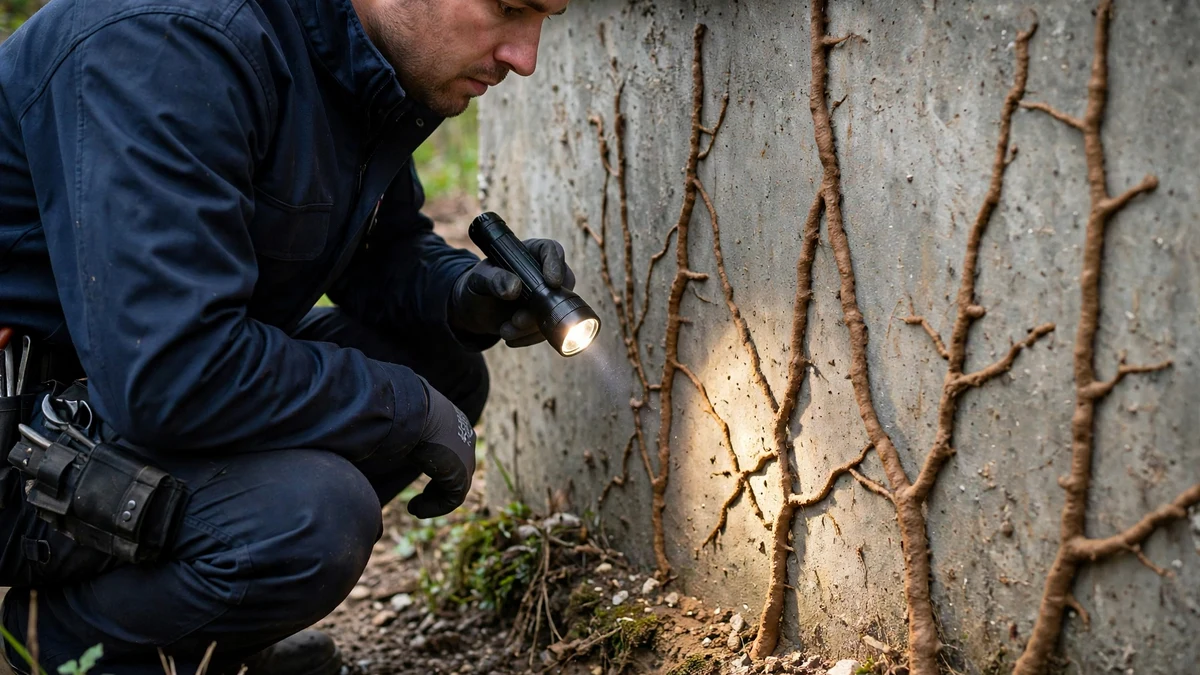
Pest control is inspection-based quoting. A technician evaluates your property — the pest, the extent, the structure, the conditions driving the problem — and prices the plan to match. That's why phone quotes without an inspection are unreliable: two houses with "ants" can need completely different work once someone looks. A company that quotes blind is either padding the number to cover unknowns or planning to upsell on arrival. Neither serves you. Our process: free inspection, written plan, fixed quote for the defined work. The sections below show you exactly what the technician is evaluating — so when any company quotes you, you'll know what should be behind the number.
What Factors Determine Your Price?
Six universal factors shape every pest control quote:
- Pest species. Treating subterranean termites and treating odorous house ants are different jobs with different methods, materials, and follow-up. Correct identification — which happens at inspection — sets the baseline.
- Infestation severity and extent. One wasp nest versus an attic of squirrels; a single ant trail versus a colony in the wall void. Extent drives labor and materials.
- Property size and layout. Linear footage of foundation for termite barriers, number of rooms affected for bed bugs, yard size and vegetation density for mosquitoes, number of structures on acreage properties.
- Treatment method required. Bait systems versus liquid barriers, heat versus conventional bed bug treatment, exclusion carpentry versus trapping alone — methods differ in materials and labor.
- One-time versus ongoing plan. A single defined treatment and a recurring plan are priced differently by structure: one prices the job, the other prices the year of coverage and monitoring.
- Access difficulty. Tight crawl spaces, steep lots, locked outbuildings, and multi-story rooflines add labor. Easy access keeps quotes lean.
What Drives the Cost of Each Service?
The factor table — what a technician weighs for each service line. No numbers; these are the cost drivers:
| Service | What drives the cost |
|---|---|
| Termite control | Linear footage of foundation; liquid barrier vs. bait system; crawl-space conditions; extent of existing activity |
| Bed bug treatment | Number of rooms affected; heat vs. conventional treatment; clutter level; follow-up verification visits |
| Rodent control | Scope of exclusion work (sealing entry points); number of structures; attic/crawl-space access |
| Mosquito control | Yard size and vegetation density; number of breeding sources; one-time event vs. seasonal plan |
| Wildlife removal | Animal species; access difficulty (roofline vs. crawl space); exclusion scope; cleanup and repair needs |
| Ant control | Species (carpenter ants cost more than odorous house ants); colony location; indoor vs. exterior work |
| Cockroach control | Species and extent; commercial kitchen vs. residential; sanitation conditions; follow-up visits |
| Termite inspection | Property size; crawl-space vs. slab; purchase-transaction documentation requirements |
Note on our on-page estimator tool: its price bands ship empty and are filled only with verified numbers we add ourselves — never scraped averages, never competitor figures. Until then, the free inspection is the estimator.
Is a One-Time Visit or an Ongoing Plan Better Value?
Conceptually, they price different things. A one-time visit prices a defined job: eliminate the wasp nest, treat the confirmed bed bug introduction, seal the identified entry points. An ongoing plan prices a period of coverage: scheduled visits, monitoring between visits, and re-treatment if activity returns within the plan's terms. Neither is inherently better value — it depends on the pressure. What typically sits outside a general pest plan: termite treatment and monitoring, bed bug elimination, mosquito seasonal programs, and wildlife removal are usually separate services with their own pricing, because their methods and follow-up differ from general pest visits. Our blog posts on cost factors, whether quarterly service is worth it, and DIY vs. professional go deeper on the decision.
What Happens During a Free Inspection?
The technician evaluates the same factors above, on your property: identifies the pest by species, maps the extent, measures what needs measuring (foundation footage, rooms affected, yard conditions), assesses access, and notes the conditions driving the problem. Then you get the written plan — findings, recommended treatment, and the quote — in plain language. The inspection is free and carries no obligation. If it finds nothing, we say so; a clean inspection is a good outcome, and we treat it like one.
What Are Red Flags in a Pest Control Quote?
Buyer guidance, from what we see in this market:
- A firm price with no inspection. Phone quotes for undefined problems are guesses dressed as certainty.
- Price-only comparison. Comparing two numbers without comparing methods — bait vs. liquid, exclusion included or not, follow-ups included or not — compares nothing.
- Upsell pressure. "Sign today or the price goes up," or an inspection that finds emergencies in every corner. A real inspection finds what's there, including nothing.
- No written plan. A verbal quote with no documentation of what's treated, with what, and what follow-up is included. Get it in writing — from us or anyone.
- Scraped "average prices." Aggregator sites publish Dalton price statistics that are stitched together from national data. They describe no actual company's pricing. Ignore them.
How Can You Lower Your Pest Control Costs?
The least expensive treatment is the one you need less of:
- Catch it early. A small ant trail is cheaper than a wall-void colony; one mouse is cheaper than an attic population. Call at the first sign.
- Sanitation. Sealed food storage, regular trash handling, and decluttering remove what pests come for — especially for roaches and rodents.
- Exclusion prep. Sealing obvious gaps around doors, pipes, and vents before the technician arrives reduces the exclusion scope (and its cost).
- Yard maintenance. Trimmed vegetation, cleared gutters, and drained containers cut mosquito and ant pressure before treatment starts.
- Moisture control. Fixing leaks and improving crawl-space drainage removes the conditions termites, roaches, and moisture pests need.
How Do You Get an Accurate Quote?
Schedule the free inspection — it's the only path to a number you can trust. Call +1 (647) 367-1424, message us on WhatsApp, or send the contact form. We'll evaluate your property against the factors above and give you a written plan with a fixed quote. Learn more about how we work, or start from pest control in Dalton for the full service picture.